Simple, proven steps your CSSD team can follow to keep instruments safe, sharp and ready for every case.
Correct reprocessing protects patients from infection and protects your investment in instruments. These best practices help CSSD and theatre teams get it right every time.
Rinse or wipe instruments at the point of use and keep them moist until cleaning. Dried blood and tissue are much harder to remove and can cause corrosion.
Check every instrument under good light for residue, cracks, misalignment and blunt edges. Remove damaged items for repair rather than sending them back to theatre.
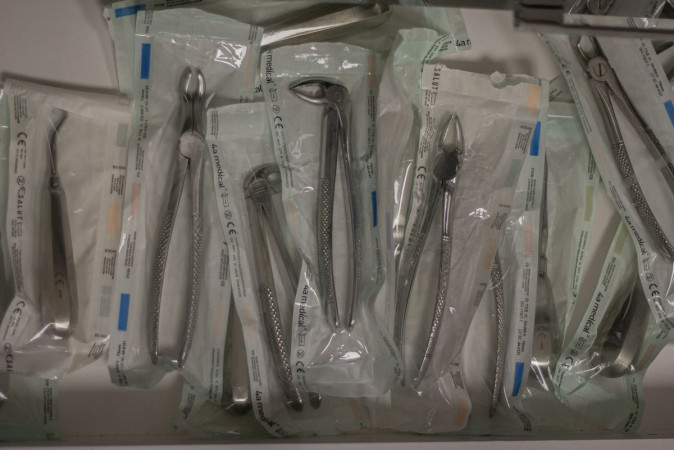
Use quality sterilization pouches or wraps with chemical indicators, avoid overloading trays, and follow validated autoclave cycles. Record each load for traceability.
Keep sterile packs in a clean, dry, closed area and rotate stock on a first-in, first-out basis.
Need pouches, indicators or instrument repair? Our team can help you set up a reliable reprocessing routine.